

KiDi's Night at Outernet Matters More Than the Ticket Sales
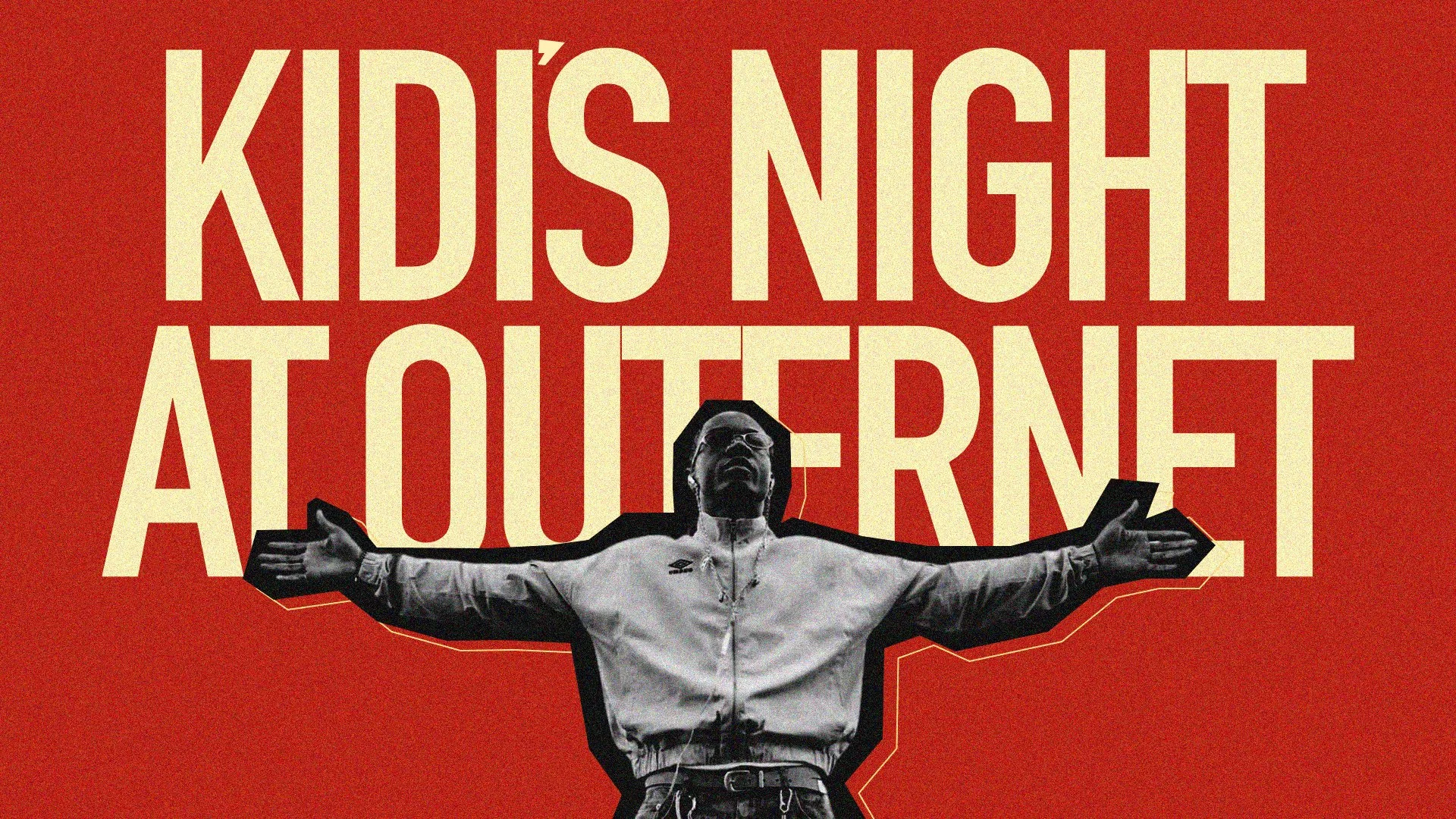
On 24 September, KiDi took over one of London's most talked-about venues for what was billed as his first-ever solo UK headline concert, held at the Outernet. He had played the UK before, most notably alongside former label mate Kuami Eugene, but this was the first time he carried a London show entirely in his own name. The show was also tied to his third studio album, Where Do We Go From Here?, which is now out. That context is the key to understanding why shows like this matter. A headline date in London isn't just a gig; it's a statement of market position, and a launchpad for everything that comes after it.
For an African artist, London works as a gateway. The city has a large, loyal diaspora that turns up and spends, but it also sits at the centre of the global music business: labels, promoters, playlist editors, brand managers and press all operate from there. A strong show in front of that audience does several jobs at once. It converts streaming listeners into paying fans, it produces content (crowd footage, behind-the-scenes clips, stage visuals) that travels far beyond the room, and it signals to industry decision-makers that the artist can sell tickets, not just rack up plays. KiDi already has a foothold in the UK market, with several of his songs having appeared on the UK's Official Afrobeats Chart, and a headline show is how that chart presence gets turned into a live business.
These shows also move African music forward as a whole. Every successful headline date by an African act adds to the evidence that promoters and venues can rely on, and that evidence shapes who gets booked next. It is worth noting that KiDi's London show was presented by Spiorre and Kilimanjaro Live, meaning established UK live infrastructure put its weight behind a Ghanaian headliner. When mainstream promoters see a return on that bet, it opens doors for the next wave of artists from Accra, Lagos, Nairobi and Johannesburg, and it helps move African music from the "special event" category into the regular touring calendar.
Are they profitable? Honestly, it depends, and the answer is often "not directly." Tickets for the KiDi show ranged from £40 to £120, and revenue can also come from VIP packages, merchandise and sponsorship. Against that sit real costs: venue hire, production and lighting, band and crew fees, flights, accommodation, visas, marketing and the promoter's share. A first headline show in an expensive market like London can easily break even or run at a modest loss once everything is counted. But judging it on the night's balance sheet alone misses the point. The real returns tend to come afterwards, through streaming spikes around the show, stronger fees for future bookings, festival invitations, brand partnerships and added momentum for the album the show was built around.
So are they worth doing? Yes, when they're done strategically. The strongest international shows are tied to a release, sized to a venue the artist can realistically fill, and treated as part of a wider plan rather than a one-off trip. They also depend on the unglamorous groundwork being in place. When new fans leave a show and go straight to streaming platforms, the artist's catalogue needs clean metadata, correct splits and proper registrations so every play is tracked and paid. A great night on stage builds the audience; solid infrastructure behind the music ensures that audience translates into income.
Written by:
Tilly Akua Nipaa (Matilda Mensah Marfo)
