
The Money You're Probably Not Collecting: A Simple Guide to Music Royalties for African Artists
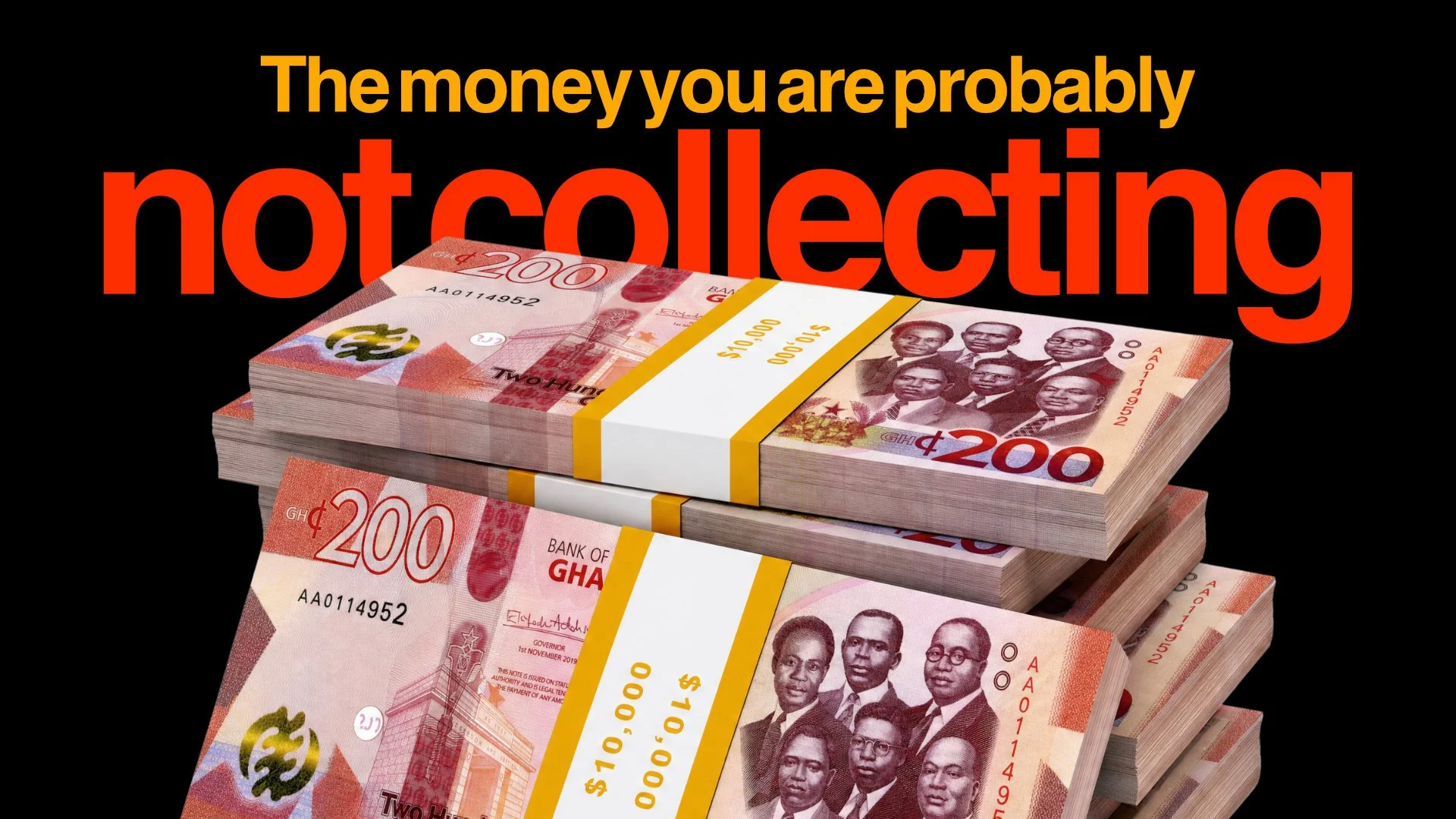
Most artists think of royalties as one thing: the money that comes in when a song gets played. In reality, a single stream, radio play, or live performance can trigger several separate payments, and most independent artists in Africa are only set up to receive one or two of them. Here's what the different royalty types actually are, who pays them, and how to actually collect what's yours, whether you're independent or signed to a label.
Mechanical and Performance Royalties (the songwriting side)
Every song has two separate copyrights: the composition (the lyrics and melody) and the sound recording (the actual produced track). Mechanical royalties are paid for reproducing the composition, and performance royalties are paid whenever it's performed publicly, on the radio, in a club, at a live show, or on TV. If you wrote the song, this money belongs to you as the songwriter, regardless of who performs or releases it.
Your national collective management organisation, or CMO, collects these. In Ghana, that's GHAMRO, which recently distributed over GHS 1.4 million in royalties across background music, digital mechanical, digital performance, and live performance categories, and is now issuing personalised statements so members can see what generated their earnings. In Nigeria, the officially licensed CMO is MCSN, though it's worth knowing there's an ongoing regulatory dispute with the older organisation, COSON, whose licence has not been renewed since 2019, so registering with MCSN is the safer route right now. In Kenya, that's MCSK, and in South Africa, SAMRO handles this side of things. If you've written a song and never registered with your country's CMO, you are very likely owed money you've never claimed.
Neighbouring Rights (the performer's side)
This is the one almost nobody talks about. Separate from the songwriter's royalty, performers and record producers are also entitled to a royalty whenever the recording itself is played publicly, again, radio, clubs, TV, live venues. This is called a neighbouring right, and it exists whether or not you wrote the song; session musicians and featured performers can be owed this too. In South Africa, SAMPRA collects this on behalf of performers and producers. Across much of West and East Africa, this infrastructure is still developing, which means a real gap exists between what's legally owed and what's actually being collected. It's worth asking your CMO directly whether they administer neighbouring rights, or whether you need a separate registration.
Streaming and Digital Royalties
This is the royalty most artists are already familiar with: the money generated every time your song streams on Spotify, Apple Music, Boomplay, Audiomack, or any other platform. This is where a distributor, not a CMO, comes in. A distributor like Crux Global delivers your music to every major streaming platform and collects the royalties those platforms generate on your behalf, then pays you directly. The advantage of going through a distributor like Crux Global for this specific royalty stream is speed and transparency; you can see exactly what each platform paid, without the multi-year admin delays that sometimes come with collective societies. This is also the one royalty type where being independent genuinely works in your favour, since a fee-free distributor means the full amount reaches you with no cuts taken off the top.
Sync Royalties
If your music ends up in a film, advert, TV show, or game, that's a separate negotiated fee called a sync royalty, usually handled directly between whoever wants to use the song and the rights holder, sometimes with a publisher or sync agent involved. It's less predictable than the other categories but can be one of the more lucrative ones when it happens.
What Independent Artists Should Actually Do
Register with your national CMO as both a songwriter and, where possible, a performer, even if you're distributing independently. Use a transparent, fee-free distributor for your streaming royalties so nothing gets skimmed off the top. Keep your metadata (writer credits, ISRC codes, publishing splits) accurate and consistent everywhere your music appears, since incorrect metadata is one of the most common reasons royalties go unclaimed. And actually read your statements when they come in. GHAMRO's move toward personalised statements is a genuinely useful shift; use it.
What Artists on Labels Should Actually Do
Signing to a label doesn't remove your right to collect songwriter royalties independently. In most deals, the label controls the master recording, but you as the writer are still entitled to register your own composition with your CMO and collect your share directly, separately from whatever the label pays you from the recording side. Read your contract carefully to understand exactly which royalty streams the label collects on your behalf and which ones remain yours to claim directly, and don't assume the label is automatically registering your songwriting credits for you.
The pattern across almost all of this is the same: the money exists, the infrastructure to collect it is improving, but it still largely depends on the artist knowing it's there and going after it. Knowing which category you're missing is usually the first and most valuable step.
Written by:
Tilly Akua Nipaa (Matilda Mensah Marfo)
