
Fandom Isn't Given, It's Built: A Practical Guide for Artists at Every Stage
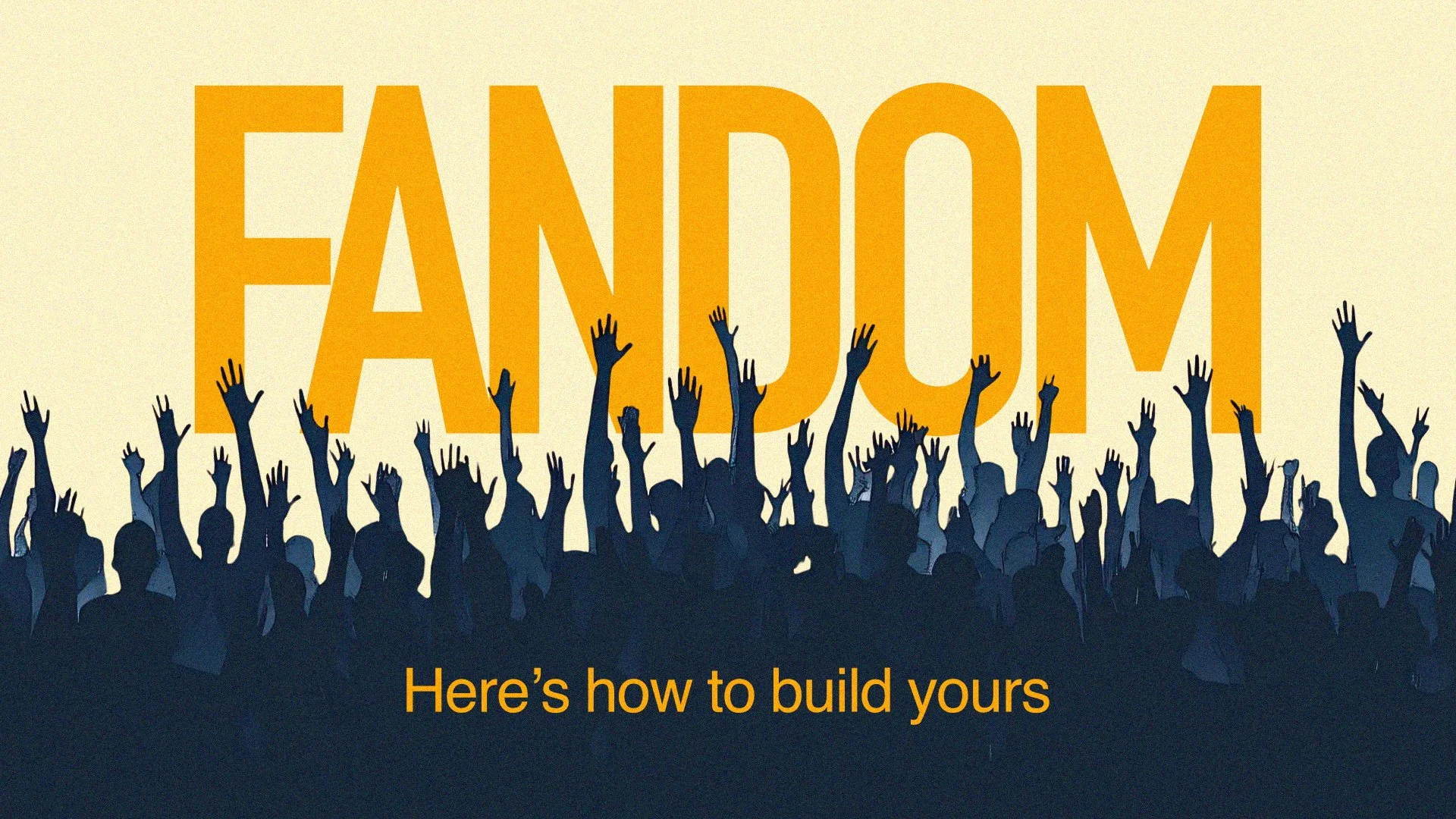
Community is one of those words the music industry throws around until it means nothing. But there's a real distinction worth making: a fanbase is people who like your song. A community is people who'd show up for you even between songs. One is a number. The other is an asset. Here's how artists at very different stages actually build it.
For the emerging artist: start small, start real
You don't need scale to build community; you need consistency and specificity.
Talk to individuals, not an audience. Reply to comments, remember names, engage in DMs. At small numbers, this is entirely possible, and it's the single highest-leverage thing you can do. People who feel personally seen become the ten people who tell fifty others about you.
Give people something to belong to, not just something to stream. Give your fans a name, a recurring livestream, a group chat, a "day one" badge of some kind. Identity is stickier than content.
Show the process, not just the product. Studio clips, half-finished ideas, the reasoning behind a decision. Early fans stay because they feel like collaborators in the story, not just consumers of the output.
Be consistent before you're big. The artists people feel most loyal to are often the ones they watched grow. Showing up reliably, even to a small room, builds the kind of trust that scale can't buy later.
Protect the tone early. Whatever culture you allow in your comments and community spaces at 500 followers is the culture you'll be stuck moderating at 500,000. Set it deliberately, not by accident.
For the established artist: numbers aren't community; attention is a currency you have to reinvest
Big artists often mistake reach for relationship. Millions of streams and a trending hashtag can coexist with a fanbase that has no real cohesion, and no real loyalty once the algorithm moves on. Converting that reach into something durable takes deliberate effort.
Give the crowd a name and a standard, and enforce it. Sarkodie's recent comments about SarkNation get at exactly this: a fanbase with an identity beyond "people who stream me" needs the artist to actively define what that identity stands for, and to say so publicly, not assume it's understood.
Convert digital reach into physical, real-world moments. Exhibition matches, listening events, community activations, anything that turns an online fan into someone physically present for something. That's where casual followers become genuine community.
Anchor the fandom to something bigger than the music. A cause, a movement, a shared identity, the way King Promise's Rent Paid ties his fanbase to giving back in Nungua. People stay attached to meaning long after they've moved on from a particular single.
Model the behaviour you want reflected. If an artist is gracious in public disputes, fans are more likely to follow that lead. If an artist stays silent while their name is being used to justify toxicity, that silence gets read as permission.
Reward the fans who represent you well. Public shout-outs, direct engagement, access, anything that makes good behaviour visibly worth it, not just bad behaviour visibly loud.
The common thread
Whether you have five hundred followers or five million, community isn't a by-product of good music. It's a separate thing you build on purpose, protect on purpose, and can just as easily lose through neglect. The artists getting it right, at any size, are the ones treating their fans as a relationship to be maintained, not a number to be harvested.
Written by:
Tilly Akua Nipaa (Matilda Mensah Marfo)
