

Chelsea FC Partners King Promise: What the Rent Paid Tournament Says About Africa's Creative Future
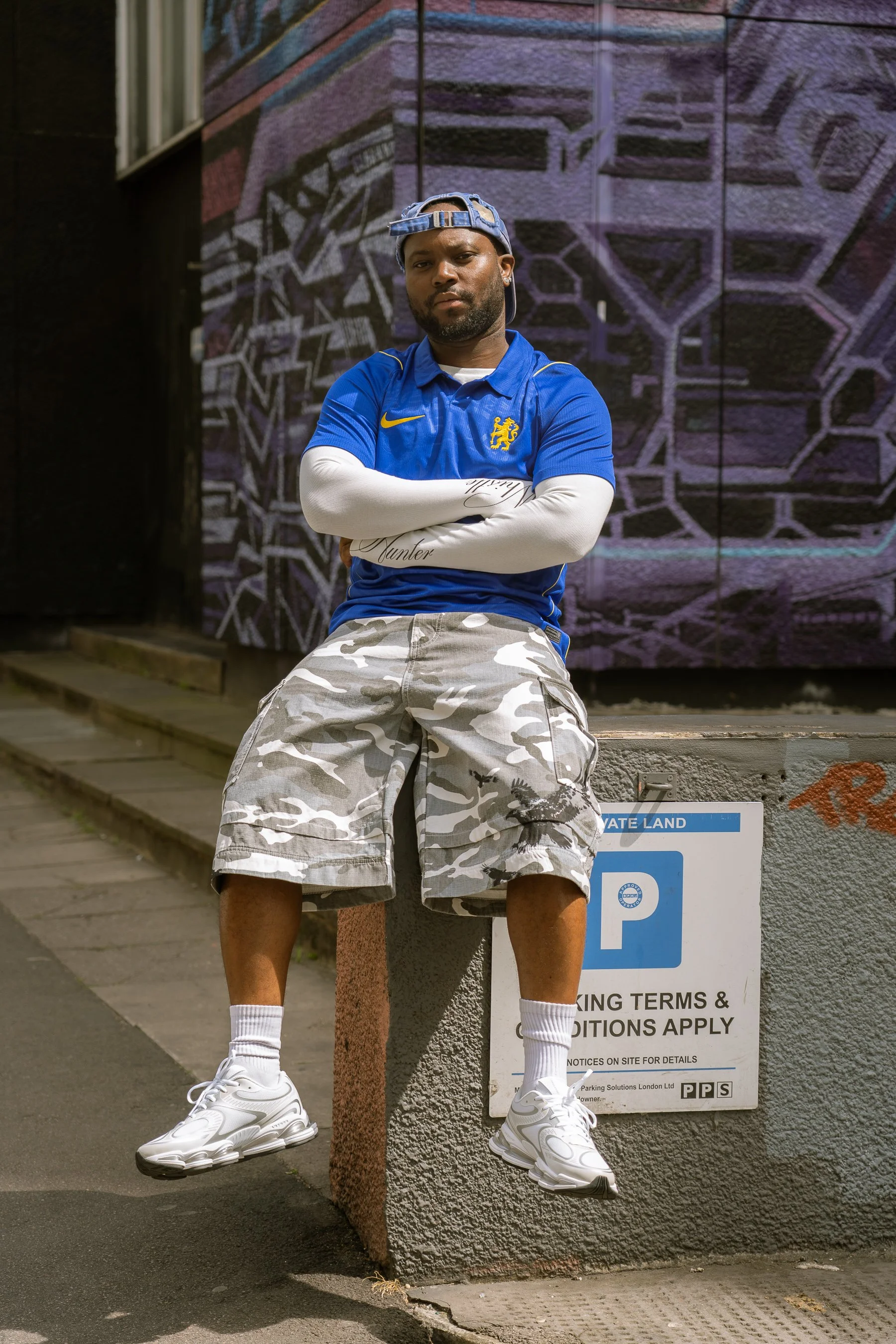
King Promise in the new Chelsea FC home kit
A thought piece on African creative talent and global brand partnerships
On 5 September, the McDan La Town Park hosted something bigger than a football match. When King Promise laced up alongside Chelsea Football Club to launch a new single and the club's home kit rollout across Africa, the Rent Paid Football Exhibition Tournament was doing double duty: it was a campaign launch, and it was a case study on how African creative talent finally gets to sit at the table as a partner, not a feature.
That distinction matters more than it might seem. For years, the default relationship between African creatives and global brands has looked like one of two things: either the brand parachutes in with a pre-packaged campaign and hires local talent to front it, or outsiders reference, remix, or sample African culture without the people who built it ever seeing the upside. What's happening with King Promise and Chelsea FC is neither. It's a genuine co-branded rollout, built around an African artist's platform, movement, and audience, with a global institution choosing to build with him rather than around him.
The value gap nobody talks about enough
Africa's creative economy is culturally dominant and economically undersized, and that gap is the real story here. The continent's fashion, music, crafts, film and design sectors combined account for a sliver of global creative economy output, even as Afrobeats fills stadiums from Lagos to London and African creators drive some of the most-watched content on every major platform. Roughly five million Africans already work in creative industries, a number expected to grow sharply over the next decade. The talent and the audience were never the problem. Capturing the value has been.
Streaming has done a lot to globalise African music, but streaming royalties alone were never going to close that gap. What closes it is exactly what this partnership represents: brand deals, licensing, sponsorship, and campaigns where an African creative isn't just performing a global brand's vision but co-authoring it. When Chelsea FC ties its home kit rollout to King Promise's own Rent Paid movement rather than a generic ad campaign, the value, creative and commercial, flows back to something the artist built and controls.
What this model gets right
A few things about this campaign are worth naming as a template rather than a one-off.
It's built on an existing platform, not a rented one. Rent Paid wasn't invented for this campaign; it's King Promise's own movement, with its own community and its own cause, the Nungua Orphanage. Chelsea FC is plugging into something real rather than asking an artist to perform enthusiasm for a brand he has no stake in.
It uses local infrastructure. The tournament is staged in Accra, at a local venue, with Ghanaian teams, Ghanaian DJs, and Ghanaian media covering it, including the on-the-ground PR and editorial work that goes into a rollout like this one. That's local economic activity, not just a global brand's press release with an African backdrop.
It's cross-industry by design. This isn't only a music story or only a sports story. It sits at the intersection of music, sport, fashion, and media, which is exactly where a lot of the next wave of opportunity for African creatives is likely to come from, well beyond the more saturated music-only deal.
The harder work: making this the rule, not the exception
None of this happens at scale by accident, and a single high-profile campaign doesn't fix a structural gap. A few things would need to be true more consistently for African creatives to see more opportunities like this one.
Intellectual property protection has to catch up with cultural output. Continental bodies and alliances have spent real time this year on exactly this, running workshops on creative economy governance, IP protection, and integration with the African Continental Free Trade Area, because until African creatives can reliably protect and license what they make, brand partnerships will keep being negotiated from a position of weakness rather than strength.
Creatives need business literacy, not just visibility. Viral reach and cultural relevance don't automatically convert into sustainable income or fair contracts. The gap between being culturally important and being commercially protected is where a lot of value quietly leaks out of the African creative economy, and where PR, management, and legal expertise on the creative's side of the table matters as much as the brand's.
The matchmaking infrastructure needs to keep growing. Part of why deals like this remain rare is simply that global brands and African talent don't have enough structured ways to find each other outside of an artist's individual network. Continental gatherings bringing together creatives, investors, and brands from across film, music, fashion, gaming, and digital media are starting to close that gap, but they need to become standard infrastructure, not annual events.
Capital has to follow the culture. Investors are increasingly framing Africa's creative economy as a genuine, underexploited opportunity worth real money, not just a cultural talking point. Turning that framing into actual investment, in production capacity, in rights management, in the agencies and teams that support creatives, is what will let the next King Promise x Chelsea FC-style deal happen without needing a single artist's individual leverage to make it possible.
Why the tournament matters beyond the scoreboard
On 5 September, nobody at McDan La Town Park was thinking about IP frameworks or continental trade integration. They were watching a football match, streaming a new single, and enjoying a genuinely good day out. That's exactly the point. The best evidence that African creative talent belongs in the room with global institutions isn't a policy paper; it's a campaign this good, built this way, working this well. The job now is making sure it's not the exception people point back to in ten years, but the first of many.
Written by:
Tilly Akua Nipaa (Matilda Mensah Marfo)
